
Reliable solar equipment depends not only on how it is used, but also on how it is stored between trips and emergencies. Many households rely on portable panels and power stations for camping, travel, or backup power—yet storage is often overlooked. Dust buildup, moisture, and extreme temperatures can gradually reduce performance without any visible signs. Simple, consistent storage habits help preserve battery health, protect panel surfaces, and keep cables safe and functional. In this article, we’ll share practical and easy-to-follow steps to store your solar gear properly, so it stays ready and reliable whenever you need it next.
The Four Core Principles of Safe Solar Storage
Principle 1: Keep It Clean and Dry
Clean equipment is less likely to suffer from corrosion, staining, or reduced efficiency over time. Solar panel surfaces should be gently wiped to remove dirt, sand, leaves, or bird droppings before they are folded and stored. Moisture is equally important to manage, since even small amounts of trapped water can damage connectors and internal circuits. Allowing all components to air-dry fully before packing helps prevent mold and rust. Storage spaces should also stay dry, away from damp floors or areas prone to leaks. Consistent cleaning and drying after use protects both performance and safety.
Principle 2: Store in a Cool, Stable Environment
Temperature swings can quietly shorten the life of solar equipment, especially battery-based systems. Excessive heat may accelerate battery wear and weaken adhesives used in panel construction. Freezing conditions, on the other hand, can stress battery chemistry and internal materials. A cool indoor space with steady temperatures is usually the safest choice for long-term storage. Garages or sheds without insulation may be acceptable in mild climates but can be risky in extreme weather. Stable environmental conditions reduce long-term degradation and help maintain dependable performance.
Principle 3: Maintain Battery Health
Batteries require thoughtful storage practices to remain safe and efficient. Leaving a battery completely empty for long periods can cause deep discharge, which permanently reduces capacity. Storing at a full 100 percent charge for months is also not ideal for long-term battery health. A partial charge level, often around the middle of the battery’s range, is typically recommended for storage. Checking charge levels every few months and topping up when necessary prevents harmful over-discharge. These habits ensure the system remains reliable when needed for travel or home backup situations.
Principle 4: Secure Against Physical Damage
Physical impacts are a common but preventable source of equipment failure. Panels leaning loosely against walls or stored under heavy objects can develop cracks or internal damage. Using protective sleeves, padded bags, or original packaging provides an added layer of protection. Equipment should be placed where it will not be knocked over by other stored items. Keeping panels flat or securely upright helps reduce strain on hinges and frames. Careful placement prevents accidental damage that may not be visible until the next use.
A Step-by-Step Storage Checklist
Step 1: Perform a Complete Clean and Inspection
Before putting equipment away, a detailed inspection should be performed. Panel surfaces should be checked for scratches, residue, or loose edges. Connectors and cables should be examined for dirt, corrosion, or bent pins. A soft cloth can be used to remove dust and grime that might harden during storage. Hinges and folding supports should open and close smoothly without resistance. Identifying small problems early helps prevent larger issues later.
Step 2: Prepare and Disconnect All Components
All devices should be powered down and fully disconnected before storage. Solar panels should be unplugged from power stations, and cables should be removed from all ports. Disconnecting prevents slow battery drain and reduces the chance of short circuits. Cables should be loosely coiled rather than tightly wrapped to avoid internal stress. Keeping related components together in a pouch or storage box improves organization. This preparation step protects electronics and makes future setup easier.
Step 3: Charge Batteries to the Recommended Level
Battery charge levels should be adjusted before long-term storage. If the battery is too low, it should be recharged to a moderate level suitable for storage. This helps maintain chemical stability inside the cells and reduces long-term wear. Setting reminders to check battery levels every few months can prevent accidental deep discharge. This is especially important for systems kept as emergency power sources. Proper charge management supports both safety and long-term performance.
Step 4: Select and Prepare the Storage Location
The final step is choosing a safe and appropriate storage space. The location should be dry, shaded, and protected from extreme temperatures. Shelves or cabinets that keep equipment off the ground provide extra protection from moisture and accidental bumps. Heavy items should never be stacked on top of panels or power stations. Keeping the storage area organized also ensures gear can be accessed quickly when needed. A well-chosen location completes the protection process.
Component-Specific Storage Guidelines
Storing Solar Panels and Flexible Mats
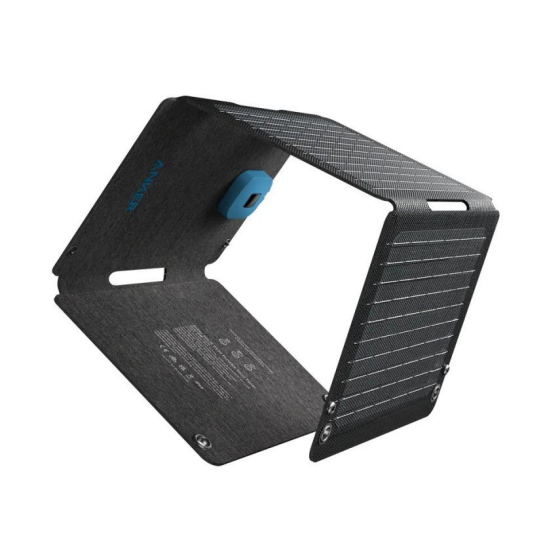
Solar panels should be folded according to their design to avoid stressing hinges or internal wiring. Surfaces should be protected with covers or soft materials to prevent scratches. Flexible solar mats should not be sharply bent, as this can damage internal conductive layers. Panels should be stored away from sharp objects or heavy tools that could fall against them. A dedicated case or sleeve adds valuable impact protection. Proper handling helps maintain energy efficiency over time.
Storing Power Stations and Battery Banks
Power stations should be stored in a dry, ventilated area away from direct heat sources. Air vents should remain unobstructed to prevent moisture buildup inside the unit. Units should sit on flat, stable surfaces rather than being stacked unevenly. They should also be kept away from flammable materials, similar to other battery-powered electronics. Periodic checks ensure charge levels remain within a healthy range. These precautions support safe and reliable operation later.
Storing Cables, Controllers, and Accessories
Cables and small accessories should be stored neatly to avoid damage and loss. Each cable should be loosely coiled to protect internal wiring. Connectors should be kept clean and, if possible, covered to prevent dust buildup. Small items like adapters and controllers can be placed in labeled pouches. Organized storage prevents accidental damage and saves time during setup. Careful handling of accessories supports the reliability of the entire system.
Common Storage Mistakes to Avoid
Several storage mistakes can shorten the lifespan of solar equipment. Leaving batteries fully drained for months can cause permanent capacity loss. Storing panels in damp or overheated areas exposes them to harmful environmental stress. Placing heavy objects on top of folded panels can crack internal cells without obvious surface damage. Forgetting to disconnect cables may lead to slow battery drain. Avoiding these common errors keeps equipment safe and dependable.
Conclusion
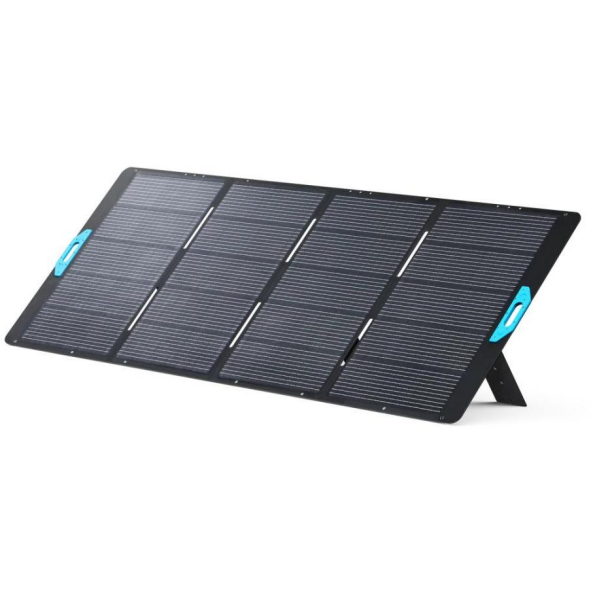
Safe storage habits ensure portable solar equipment remains dependable whenever it is needed. Clean surfaces, stable temperatures, and proper battery charge levels all work together to protect long-term performance. Physical protection and organized packing reduce the risk of accidental damage during downtime. Choosing thoughtfully designed folding solar panels, such as models within the Anker SOLIX series, can also make storage easier because compact folding structures and adjustable supports reduce strain when packed away. Equipment that is simple to handle and store is more likely to stay in good condition over years of use. With consistent care and smart storage choices, solar gear stays ready for both outdoor trips and unexpected home power needs.