
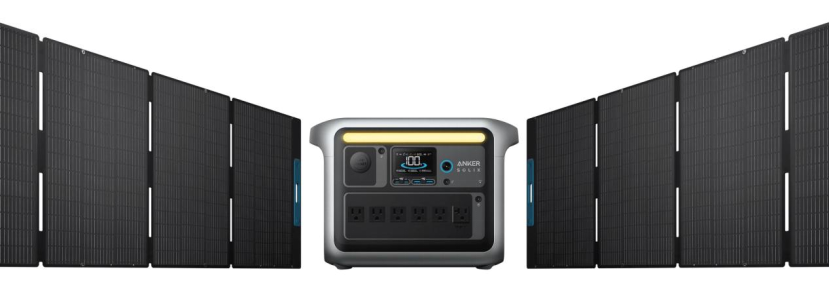
Using stored energy forces people to view electricity differently. When users switch from grid power to a fixed-capacity system, they start noticing patterns that previously stayed invisible. Every choice—what to run, when to run it, and for how long—suddenly carries weight. This shift does not restrict freedom; instead, it builds awareness. A portable power station like the Anker SOLIX F2600, with its 2,560Wh LFP battery, 2400W output, fast AC recharging, and solar compatibility, becomes a tool that helps users evaluate real needs, optimize habits, and understand what matters most during travel, emergencies, or daily off-grid activities. With limited energy, consumption becomes a conscious decision rather than an automatic one.
How Limited Capacity Reshapes Energy Habits and Daily Priorities
Users Identify Real Essentials Instead of Running Everything by Habit
Many people only discover which appliances genuinely matter once they operate within a set energy limit. Without unlimited grid access, users observe their true patterns. They prioritize cooling, cooking, lighting, and device charging before anything else. This creates clarity: some appliances feel necessary, while others reveal themselves as conveniences that can wait. With a power station like the SOLIX F2600 portable power station supporting high-demand loads, users still enjoy strong performance, but they also learn to allocate energy based on purpose rather than impulse. This helps families and travelers build a more thoughtful consumption hierarchy, where each watt-hour is used with intention.
Consumption Slows Down Because Users Monitor Their Behavior
Energy becomes measurable and visible. Instead of an invisible flow behind the wall, power turns into a resource they track through displays or apps. They see real-time input and output, remaining capacity, and estimated runtime. This creates instant feedback. When high-watt devices run, users watch consumption spike. When they unplug unnecessary chargers or switch to low-power alternatives, they see longer runtime. This awareness gently trains users to adjust behaviors. The effect is not restrictive; it is educational. Once they experience this control, many continue practicing smarter energy habits even after returning to grid power.
Planning Replaces Guessing, Leading to More Predictable Energy Use
People often rely on habit rather than strategy, especially with electricity. Fixed-capacity systems reverse this. Users start estimating appliance runtimes, planning charging windows, and aligning high-consumption tasks with available input, such as solar. A system like the SOLIX F2600, which accepts up to 1000W solar input and recharges quickly via HyperFlash™, reinforces this mindset. Instead of uncertainty, users follow clear routines: charge during abundant sunlight, run heavy appliances when capacity is high, and save low-demand tasks for later. This structured approach removes stress because the user understands exactly how to distribute power throughout the day.
How Limited Capacity Encourages Smarter Choices and Long-Term Consumption Mindsets
Users Adopt More Efficient Devices and Replace Wasteful Routines
When energy is limited, users begin evaluating their devices. They notice which items drain capacity fastest and which operate efficiently. Over time, they choose LED lighting instead of older bulbs, energy-efficient fans instead of large units, or lower-wattage cooking appliances for shorter bursts. This natural transition leads to reduced waste. Even the presence of a high-capacity station like the F2600 does not stop users from choosing efficiency; instead, it motivates them further. The experience builds a long-term mindset where efficiency becomes the default, not an obligation. Users learn to enjoy doing more with less energy.
Users Learn to Maximize Renewable Input for Sustainable Operation
Solar input becomes more valuable when capacity is limited. Instead of viewing sunlight as optional, users begin using it as a strategy. They angle panels correctly, monitor weather patterns, and schedule high-demand charging when sunlight is strong. This creates an active relationship with energy production. Even though the F2600’s fast AC charging provides quick replenishment when needed, solar remains central for users who prefer sustainable operation. They learn how much solar generation offsets their daily consumption, and they often discover that planning around sunlight feels empowering. It encourages a more environmentally conscious approach to energy use.
Consumption Decisions Become More Meaningful and Reduce Overall Waste
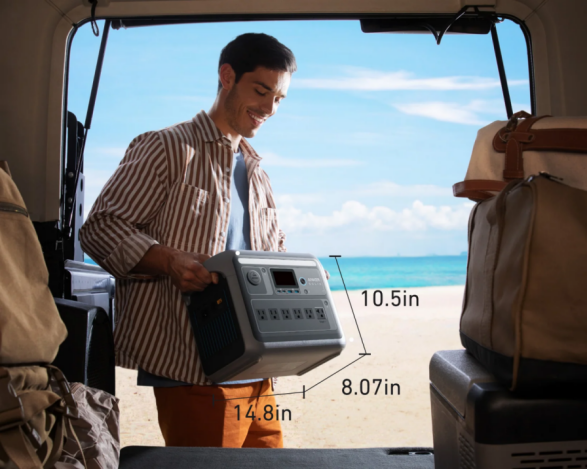
The most significant transformation is psychological. Limited capacity encourages reflection. Users think before turning on extra appliances. They coordinate cooking steps. They pack differently for travel. They consider how much energy entertainment devices require. None of these behaviors feels like restrictions—instead, they become part of a thoughtful lifestyle. A power station like the SOLIX F2600, with long lifespan and stable LFP chemistry, supports this shift by giving users reliable energy while still promoting mindful use. Over months, these small decisions add up, reducing waste and building long-term habits that influence everyday life beyond off-grid scenarios.
Conclusion
Limited energy capacity changes how people think about consumption by making electricity visible, measurable, and intentional. Users learn to identify their real priorities, plan usage instead of guessing, and make conscious choices that reduce waste. Tools like the Anker SOLIX F2600 help support this transition by offering efficient charging, high output, and long-lasting LFP stability while still encouraging users to rethink how they consume. When power becomes something you manage rather than something you assume, patterns shift. People adopt efficient devices, embrace renewable input, and build stronger planning habits. Over time, limited capacity becomes more than a constraint—it becomes a catalyst for smarter, more meaningful consumption.